by Team Del Genio
Saturday, Feb 28, 2026The best two units on the field in Super Bowl LX were destined to be the defenses of the Seahawks and Patriots. Either group had a strong opportunity to stifle their opposing offense, which would all but ensure an under for this game.
The Patriots had averaged only 18 points per game in the postseason. The snowstorm in the 2nd Half of their 10-7 victory at Denver in the AFC championship game was under difficult scoring conditions, yet they had only scored more than 16 points once in their three playoff games. Second-year quarterback Drake Maye had not played as well in the postseason. The step up in competition, having to play three of the best defenses in the league, the Los Angeles Chargers, the Houston Texans, and the Broncos, played a role. But the offensive line had not held up to this challenge, with Maye getting sacked 15 times, with only four of those sacks coming from blitzes.
Playing against the Seahawks' defense was not an easier assignment. Seattle was able to generate pressure on the quarterback despite playing in a 4-2-5 base defense. Seattle employed the fewest stacked boxes in the NFL, yet ranked in the top ten in sack rate. They led the NFL by holding opposing rushers to 3.8 yards per carry. The Seahawks also led the league by giving up explosive rushing plays of 15 or more yards in only 6.7% of opposing team rush attempts. Having the player flexibility to stop the run in a 4-2-5 defensive formation with two high safeties made it very difficult for opposing offenses, since the traditional posture against the pass remains dominant in slowing down the run.
The Patriots might attempt to use their jumbo formation when they bring Thayer Munford Jr. as a sixth offensive lineman to help Rhamondre Stevenson or TreVeyon Henderson in the run game. Yet, against the jumbo six offensive linemen look, Seattle had only given up 28 rushing yards on 15 carries for a 1.9 yards per carry average, 29 yards after contact, and zero touchdowns.
In the passing game, the Seahawks liked to use a cover-6 hybrid zone coverage look that uses cover-2 with a deep safety on one side of the field, with linebackers helping, and on the other side of the field uses a cover-4 look with two defensive backs sharing the zone coverage. Seattle used that defensive formation 21.6% of the time. This was a defensive look that Maye struggled against. He faced cover-6 in 70 of his dropbacks, the sixth most in the league. He completed only 60.0% of his passes against this formation, the fourth-worst in the league, and his 5.9 yards per attempt were the fifth-worst. He did not throw a touchdown against cover-6, yet threw three interceptions. His 54.1 passer rating against cover-6 was the third-worst in the NFL. He faced cover-6 on 19 passes in the playoffs. He completed 11 of those passes, but for only 128 yards with no touchdowns and an interception. His passer rating in the postseason against cover-6 was 56.5. The Seattle coaching staff will be well aware of these numbers.
New England averaged 27.2 points per game, yet the Seahawks had played five straight road games under the total against opponents who average 24 or more points per game. Seattle had played eleven of their eighteen games under head coach Mike Macdonald against winning teams. They reached the Super Bowl in a 31-27 victory in the NFC championship game, and they had played six straight unders on the road after playing a game where 50 or more combined points were scored.
The Seahawks also liked to play at a slow tempo as they average 28.6 seconds per play, ranking fourth-slowest in the NFL. Two methodical offenses, two great defenses, and two quarterbacks with schematic weaknesses coming into this game. The under seemed to be the play.
These expectations were validated in Seattle’s 29-13 victory to win the Super Bowl. The final score appears much more threatening to the under than how the game played out. Neither team had scored a touchdown entering the fourth quarter, with the Seahawks winning, 9-0. Seattle would go on to score a defensive touchdown from a Drake Maye-intercepted pass.
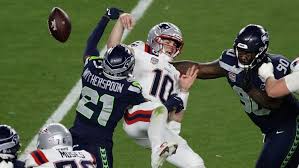
Maye ended the game with 27 completions from 43 passes for 295 yards and two touchdown passes, yet those numbers present a false impression regarding his effectiveness. In the first half, he completed only 6 of 11 passes for 48 yards, and he got sacked three times. He only had 60 passing yards going into the fourth quarter, where his team eventually would trail, 29-0. The Patriots scored the final 13 points in the game, with Maye breaking a Super Bowl record with 235 passing yards in a single quarter against a prevent Seattle defense playing against the clock.
The play of the Seattle defense was one of the reasons why we won our NFL Total of the Year in the Super Bowl with the under.
Good luck - Team Del Genio.
The Patriots had averaged only 18 points per game in the postseason. The snowstorm in the 2nd Half of their 10-7 victory at Denver in the AFC championship game was under difficult scoring conditions, yet they had only scored more than 16 points once in their three playoff games. Second-year quarterback Drake Maye had not played as well in the postseason. The step up in competition, having to play three of the best defenses in the league, the Los Angeles Chargers, the Houston Texans, and the Broncos, played a role. But the offensive line had not held up to this challenge, with Maye getting sacked 15 times, with only four of those sacks coming from blitzes.
Playing against the Seahawks' defense was not an easier assignment. Seattle was able to generate pressure on the quarterback despite playing in a 4-2-5 base defense. Seattle employed the fewest stacked boxes in the NFL, yet ranked in the top ten in sack rate. They led the NFL by holding opposing rushers to 3.8 yards per carry. The Seahawks also led the league by giving up explosive rushing plays of 15 or more yards in only 6.7% of opposing team rush attempts. Having the player flexibility to stop the run in a 4-2-5 defensive formation with two high safeties made it very difficult for opposing offenses, since the traditional posture against the pass remains dominant in slowing down the run.
The Patriots might attempt to use their jumbo formation when they bring Thayer Munford Jr. as a sixth offensive lineman to help Rhamondre Stevenson or TreVeyon Henderson in the run game. Yet, against the jumbo six offensive linemen look, Seattle had only given up 28 rushing yards on 15 carries for a 1.9 yards per carry average, 29 yards after contact, and zero touchdowns.
In the passing game, the Seahawks liked to use a cover-6 hybrid zone coverage look that uses cover-2 with a deep safety on one side of the field, with linebackers helping, and on the other side of the field uses a cover-4 look with two defensive backs sharing the zone coverage. Seattle used that defensive formation 21.6% of the time. This was a defensive look that Maye struggled against. He faced cover-6 in 70 of his dropbacks, the sixth most in the league. He completed only 60.0% of his passes against this formation, the fourth-worst in the league, and his 5.9 yards per attempt were the fifth-worst. He did not throw a touchdown against cover-6, yet threw three interceptions. His 54.1 passer rating against cover-6 was the third-worst in the NFL. He faced cover-6 on 19 passes in the playoffs. He completed 11 of those passes, but for only 128 yards with no touchdowns and an interception. His passer rating in the postseason against cover-6 was 56.5. The Seattle coaching staff will be well aware of these numbers.
New England averaged 27.2 points per game, yet the Seahawks had played five straight road games under the total against opponents who average 24 or more points per game. Seattle had played eleven of their eighteen games under head coach Mike Macdonald against winning teams. They reached the Super Bowl in a 31-27 victory in the NFC championship game, and they had played six straight unders on the road after playing a game where 50 or more combined points were scored.
The Seahawks also liked to play at a slow tempo as they average 28.6 seconds per play, ranking fourth-slowest in the NFL. Two methodical offenses, two great defenses, and two quarterbacks with schematic weaknesses coming into this game. The under seemed to be the play.
These expectations were validated in Seattle’s 29-13 victory to win the Super Bowl. The final score appears much more threatening to the under than how the game played out. Neither team had scored a touchdown entering the fourth quarter, with the Seahawks winning, 9-0. Seattle would go on to score a defensive touchdown from a Drake Maye-intercepted pass.
Maye ended the game with 27 completions from 43 passes for 295 yards and two touchdown passes, yet those numbers present a false impression regarding his effectiveness. In the first half, he completed only 6 of 11 passes for 48 yards, and he got sacked three times. He only had 60 passing yards going into the fourth quarter, where his team eventually would trail, 29-0. The Patriots scored the final 13 points in the game, with Maye breaking a Super Bowl record with 235 passing yards in a single quarter against a prevent Seattle defense playing against the clock.
The play of the Seattle defense was one of the reasons why we won our NFL Total of the Year in the Super Bowl with the under.
Good luck - Team Del Genio.
